
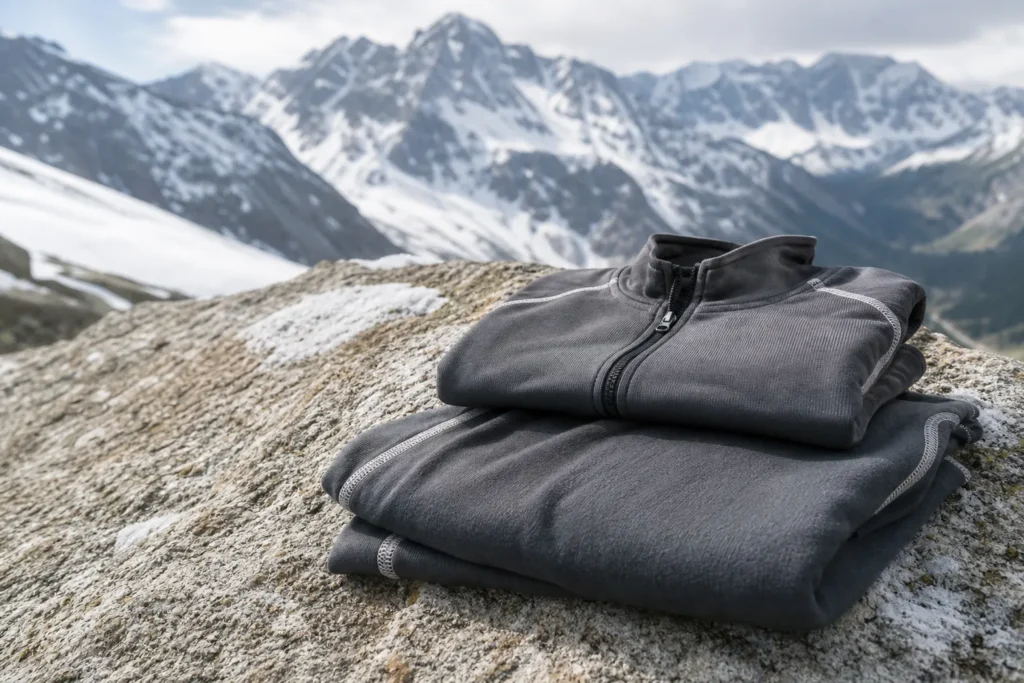
The Benefits of Thermal Underwear for Outdoor Workers
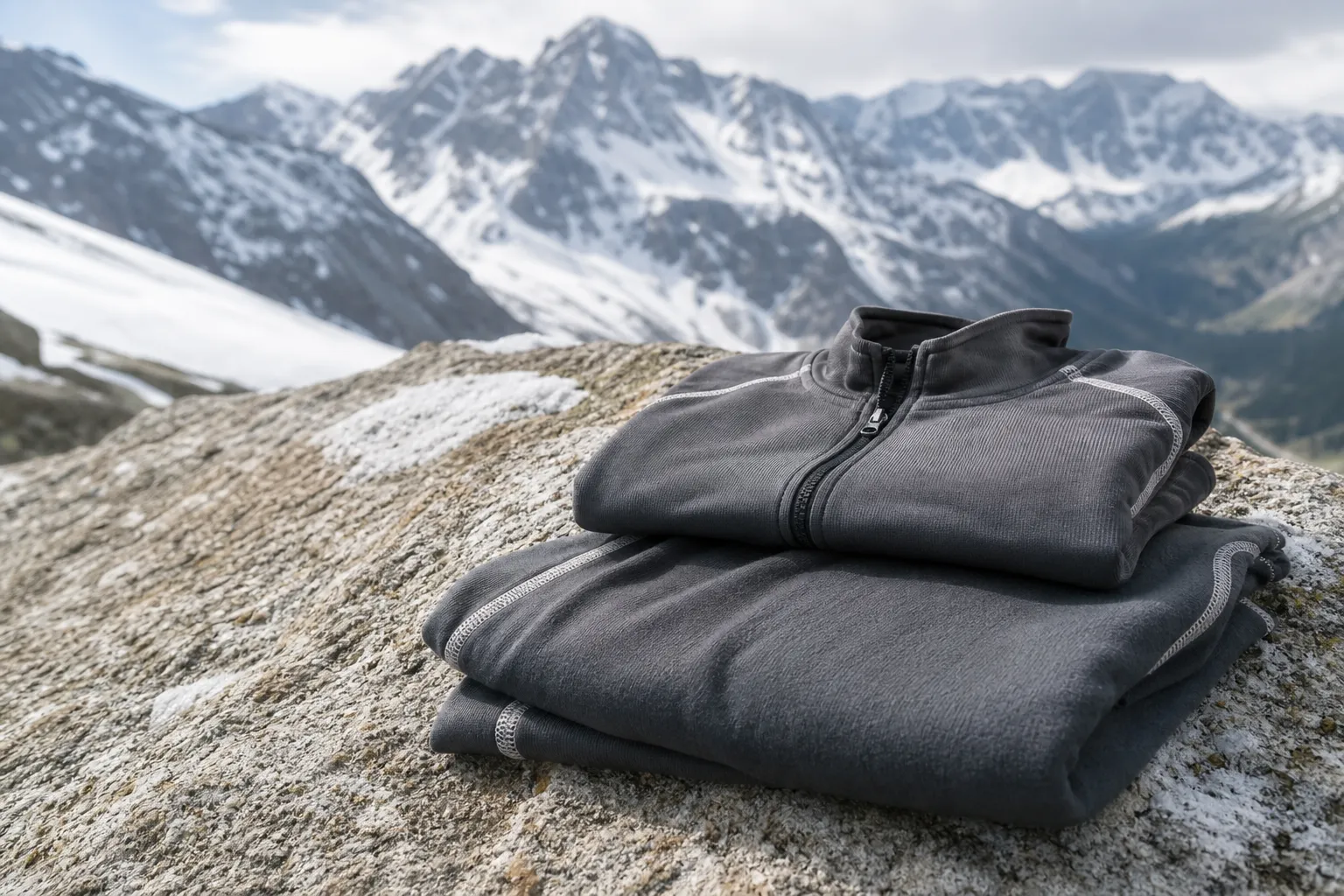
Thermal underwear, commonly known as long underwear or base layers, is specifically designed to keep you warm and comfortable in frigid conditions. Its primary function is to trap body heat while allowing moisture to escape, making it an essential piece of outdoor gear for those working in harsh environments. For outdoor workers—especially in sectors like construction, agriculture, and emergency services—thermal underwear is not merely a luxury; it’s a vital component in maintaining productivity and safety during extreme weather. To learn more about the importance of quality outdoor apparel, visit our product page.
Key Specifications of Thermal Underwear
When choosing thermal underwear for outdoor work, several crucial specifications should be taken into account:
- Material Composition: Thermal underwear is typically crafted from materials such as merino wool, polyester, or a combination of synthetic fibers. Merino wool is prized for its natural insulating properties and breathability, while synthetic fibers are often more budget-friendly and quick to dry.
- Insulation Properties: The insulation capabilities of thermal underwear are essential for outdoor workers. High-quality thermal wear acts as a barrier against cold air while retaining warmth, ensuring that workers remain comfortable throughout their shifts.
- Moisture-Wicking Features: One of the standout attributes of thermal underwear is its moisture-wicking capability. This feature draws sweat away from the skin, lessening the risk of chills and helping to maintain a dry environment—critical for outdoor workers who may be physically active. For a comprehensive understanding of thermal underwear, refer to this industry reference.
Use Cases for Outdoor Workers
Thermal underwear is applicable across a variety of industries where outdoor work is common:
- Construction and Manual Labor: Construction workers often encounter cold weather. Thermal underwear serves as a foundational layer that keeps them warm while allowing for necessary freedom of movement, which is vital for physically demanding tasks.
- Agriculture and Farming: Farmers and agricultural workers are frequently exposed to the elements. Thermal underwear helps them stay warm during early mornings or late evenings when temperatures can drop significantly, enabling them to work efficiently without the distraction of cold discomfort.
- Emergency Services and First Responders: For emergency responders, staying warm can be crucial for safety. Thermal underwear offers the necessary insulation while allowing for quick movements, which is essential in emergency scenarios.
Comparing Thermal Underwear with Other Outdoor Apparel
When you compare thermal underwear with other types of outdoor clothing, several distinctions become apparent:
- Thermal Underwear vs. Standard Base Layers: While standard base layers may provide some warmth, thermal underwear is specifically engineered for cold weather, offering superior insulation and moisture management.
- Benefits Over Traditional Outdoor Clothing: Traditional outdoor clothing often lacks the specialized features of thermal underwear, such as moisture-wicking and a snug fit. Thermal wear is designed to be worn close to the skin, enhancing its effectiveness in retaining heat.
- Cost-Effectiveness Analysis: Investing in high-quality thermal underwear can be more economical in the long run. By ensuring that workers stay warm and dry, companies can mitigate the risk of cold-related illnesses and boost overall productivity.
Sourcing Thermal Underwear
When it comes to sourcing thermal underwear, businesses have several viable options:
- Recommended Suppliers and Brands: Companies like Under Armour, Patagonia, and Columbia are renowned for their high-quality thermal wear. It’s wise to select brands that specialize in outdoor apparel to guarantee durability and performance.
- Bulk Purchasing Options: Many suppliers offer bulk purchasing options, significantly reducing costs for businesses looking to outfit multiple employees. This is especially advantageous for industries with high turnover rates or seasonal workers.
- Quality Assurance and Certifications: Ensure that the thermal underwear meets industry standards and certifications for quality and safety, which is crucial for maintaining employee well-being and satisfaction.
Implementing Thermal Underwear in the Workplace
To effectively integrate thermal underwear into the workplace, businesses should consider the following strategies:
- Employee Training on Proper Use: Educating employees about the benefits and correct use of thermal underwear can enhance its effectiveness. Training sessions should cover how to layer clothing appropriately and care for thermal garments.
- Integration into Uniform Policies: Businesses can include thermal underwear in their uniform policies, ensuring that all outdoor workers are adequately equipped for cold weather conditions.
- Seasonal Adjustments and Recommendations: Companies should regularly assess weather conditions and adjust their recommendations for thermal wear accordingly, ensuring that employees are prepared for fluctuating temperatures.
Frequently Asked Questions
- How to Choose the Right Thermal Underwear? Look for thermal underwear that fits well, is made from high-quality materials, and has the necessary insulation and moisture-wicking properties for your specific work environment.
- Care Instructions for Longevity: To maximize the lifespan of thermal underwear, follow the manufacturer’s care instructions, which typically recommend machine washing in cold water and avoiding fabric softeners.
- Common Misconceptions about Thermal Wear: A prevalent misconception is that thermal underwear is bulky and uncomfortable. In reality, modern thermal wear is designed to be lightweight and fitted, providing warmth without restricting movement.
Conclusion
In summary, thermal underwear is an invaluable asset for outdoor workers facing extreme conditions. Its specialized features—such as insulation, moisture-wicking properties, and comfort—make it essential for maintaining productivity and safety. By investing in high-quality thermal wear and implementing effective strategies, businesses can ensure that their workers are well-equipped to tackle the challenges of outdoor work in cold weather.